
Skin cancer is the most common form of cancer in the United States, but when detected and treated early, it has an excellent prognosis. At Dermatology Associates Skin and Cancer Center, your provider will provide expert, compassionate care to help patients protect their skin and health with advanced diagnostic and skin cancer treatments in Panama City.
Catch and Treat at the Earliest Stage Possible
Skin cancer occurs when abnormal cells in the skin grow uncontrollably, often due to cumulative sun exposure or genetic predisposition. It can develop anywhere on the body, including in areas not regularly exposed to sunlight. The most common types of skin cancer include basal cell carcinoma, squamous cell carcinoma, and melanoma. At Dermatology Associates Skin and Cancer Center, we provide expert evaluation to identify and treat skin cancer at the earliest stage possible, when outcomes are overwhelmingly positive.
Skin Exams & Dermatology Procedures Explained

ABC's of Skin Cancer Detection
Regular self-checks are one of the most effective ways to detect skin cancer early. By taking a few minutes each month to examine your skin, you can identify new or changing moles, spots, or lesions that may warrant professional evaluation. Early detection dramatically improves treatment outcomes and minimizes the risk of complications.
To recognize suspicious lesions, dermatologists recommend following the ABCDE guide for melanoma and other concerning changes:
- A for Asymmetry: One half of the mole doesn’t match the other.
- B for Border: Edges are irregular, scalloped, or poorly defined.
- C for Color: Uneven shades of brown, black, red, white, or blue.
- D for Diameter: Larger than 6 millimeters (about the size of a pencil eraser).
- E for Evolving: Any change in size, shape, color, or symptoms like bleeding or itching.
The Importance of Early Detection
At Dermatology Associates Skin and Cancer Center, we encourage patients to perform regular self-exams and schedule prompt evaluations for any suspicious spots. When caught early, most skin cancers are highly treatable, allowing for faster recovery, smaller procedures, and the best possible cosmetic and health outcomes. Contact our offices to find out your options for skin cancer surgery in Panama City or Panama City Beach.
The Types Of Skin Cancer
Basal Cell Carcinoma
Basal cell carcinoma (BCC) is the most common type of skin cancer, accounting for about 65% of all cases. It develops slowly and rarely spreads beyond its original site, but can cause significant local damage if untreated. With early detection, treatment success rates are extremely high, and the risk of recurrence is low.
Squamous Cell Carcinoma
Squamous cell carcinoma (SCC) is the second most common skin cancer, accounting for about 35% of cases. Worldwide, it causes an estimated 64,000 deaths each year, compared with about 57,000 from melanoma. With early diagnosis and treatment, SCC has an excellent prognosis, helping prevent spread and protect healthy surrounding skin.
Melanoma
Melanoma is less common, making up about 5% of skin cancer cases, but it causes nearly as many deaths as squamous cell carcinoma (SCC). It can spread quickly if left untreated, but when found early, melanoma has a very high cure rate — which is why regular skin checks are so important.
Merkel Cell Carcinoma
Merkel cell carcinoma is a rare and aggressive form of skin cancer that typically develops in sun-exposed areas of the body. It most often affects older adults and those with weakened immune systems. Early detection and prompt treatment are vital, as Merkel cell carcinoma can spread quickly to lymph nodes and other organs.
What Our Patients Are Saying
Skin Cancer Treatment and Surgery FAQs
How is skin cancer typically diagnosed?
Diagnosis usually begins with a visual skin exam followed by a biopsy if something suspicious is found. A small sample of tissue is analyzed in a lab to confirm whether cancer cells are present.
Are all types of skin cancer treated the same way?
No, treatment depends on the type, size, and location of the cancer. More common types like basal and squamous cell carcinoma are often treated differently than melanoma, which can be more aggressive.
What are the most common treatment options for skin cancer?
Treatments may include surgical removal, topical medications, or therapies like radiation or immunotherapy in more advanced cases. The goal is to eliminate cancer while preserving as much healthy tissue as possible.
Why is early detection so important with skin cancer?
When caught early, most skin cancers are highly treatable and often curable. Delayed diagnosis increases the risk of the cancer spreading to other parts of the body.
Can skin cancer come back after treatment?
Yes, recurrence is possible, especially if risk factors remain. Regular skin checks and follow-up care are important for monitoring and early detection of any new or returning lesions.
Professional Skin Cancer Screening & Diagnosis
During a professional skin cancer screening at Dermatology Associates Skin and Cancer Center, your dermatology provider will carefully examine your skin from head to toe, looking for any new, changing, or unusual growths. Using advanced dermatoscopic tools, your provider can identify subtle patterns and pigment changes that may not be visible to the naked eye. These diagnostics are essential for composing your personalized skin cancer treatment in Panama City.
If a suspicious lesion is found, your dermatology provider may perform a simple, in-office skin biopsy to confirm the diagnosis. This involves removing a small sample for microscopic examination. The results help determine whether the growth is benign, precancerous, or cancerous. Through this process, your dermatology provider will ensure early and accurate diagnosis.
Mohs Micrographic Surgery
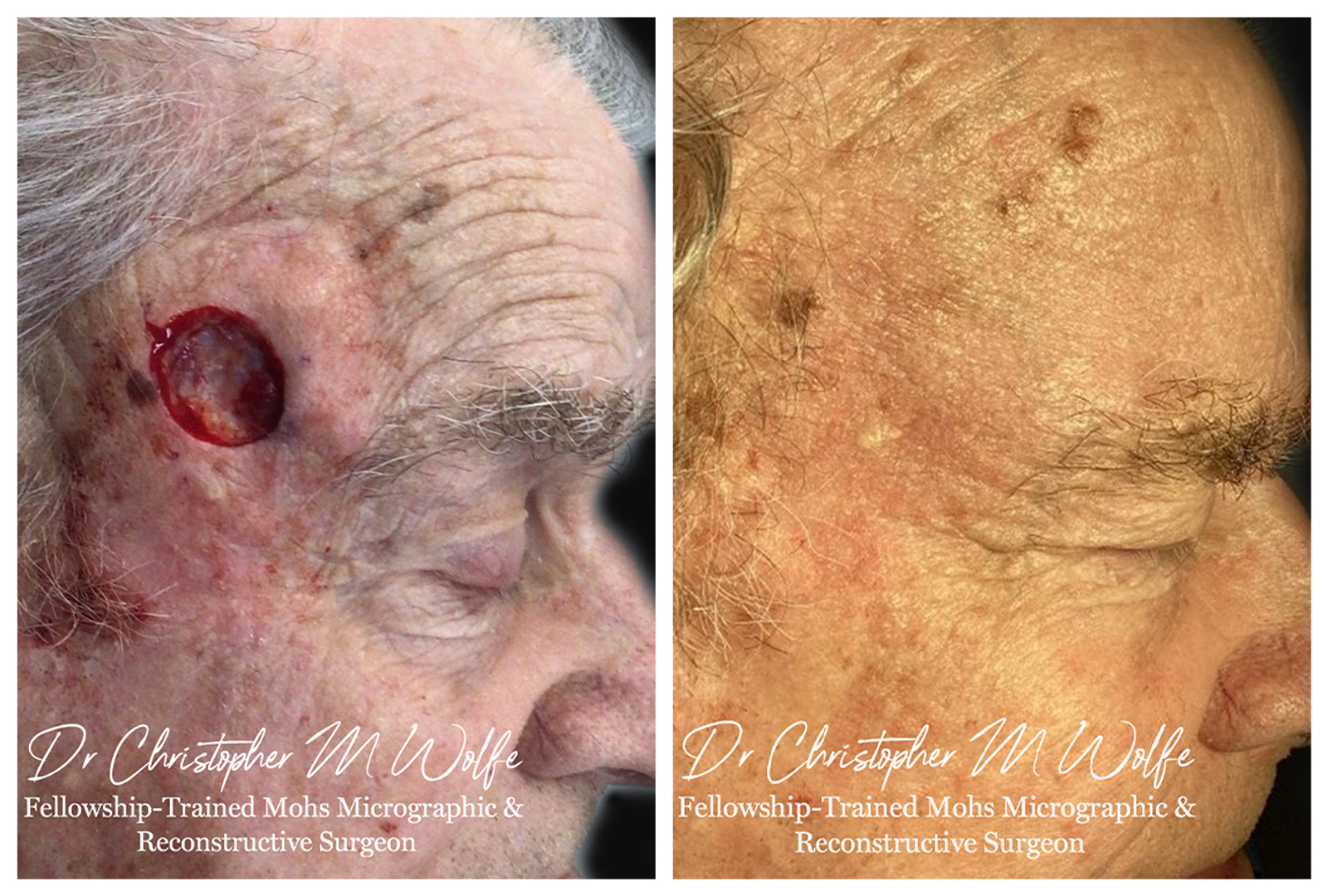
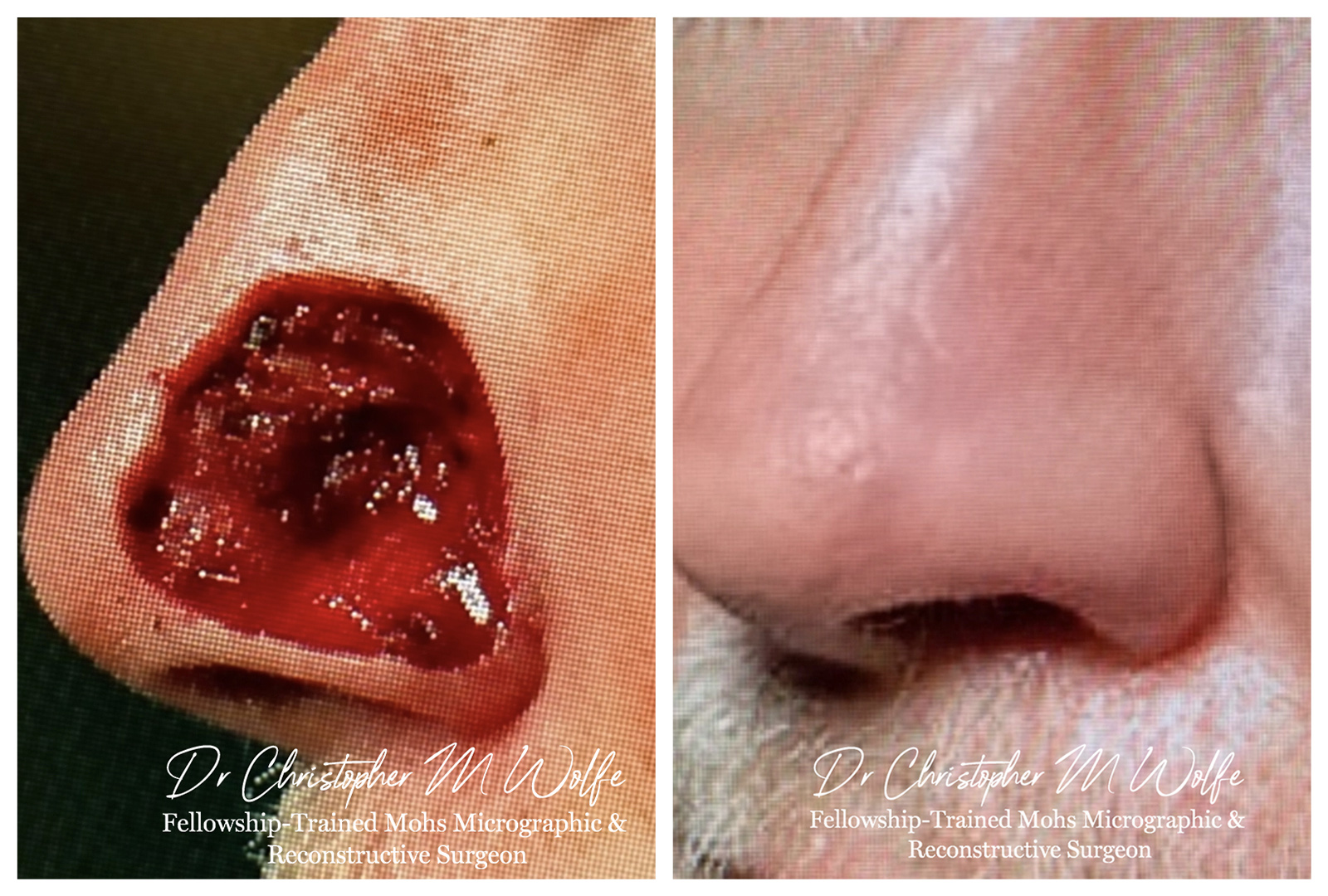
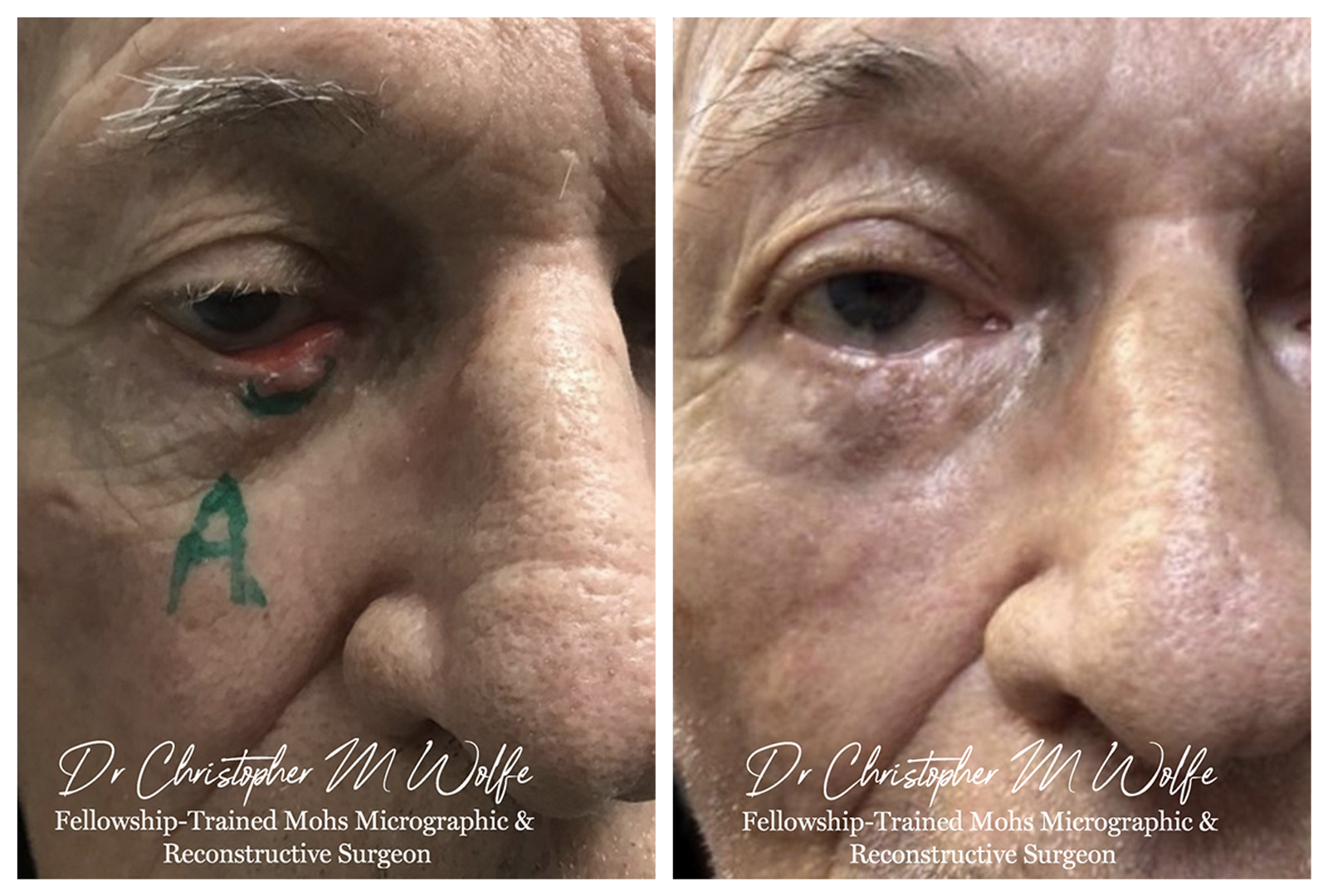
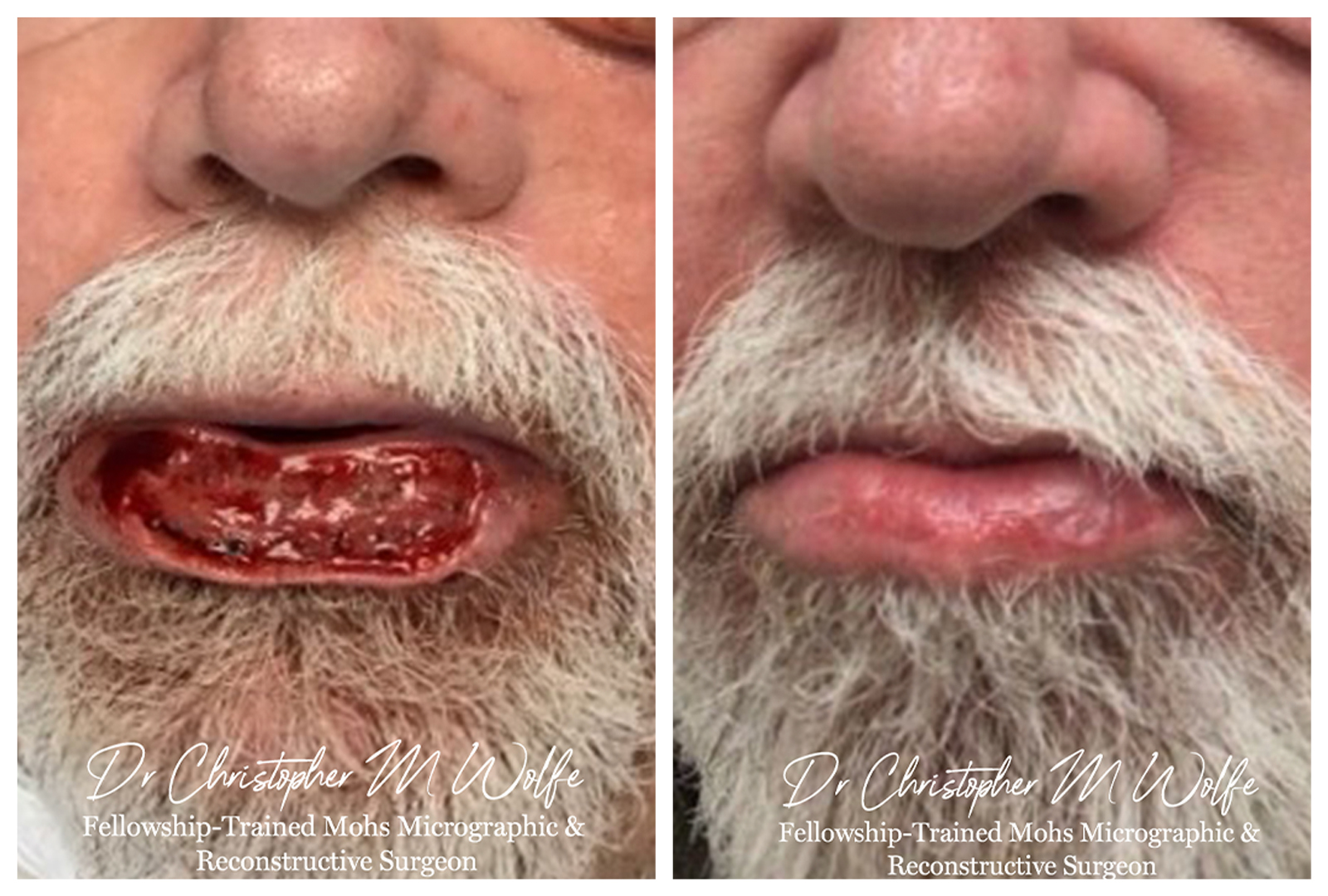
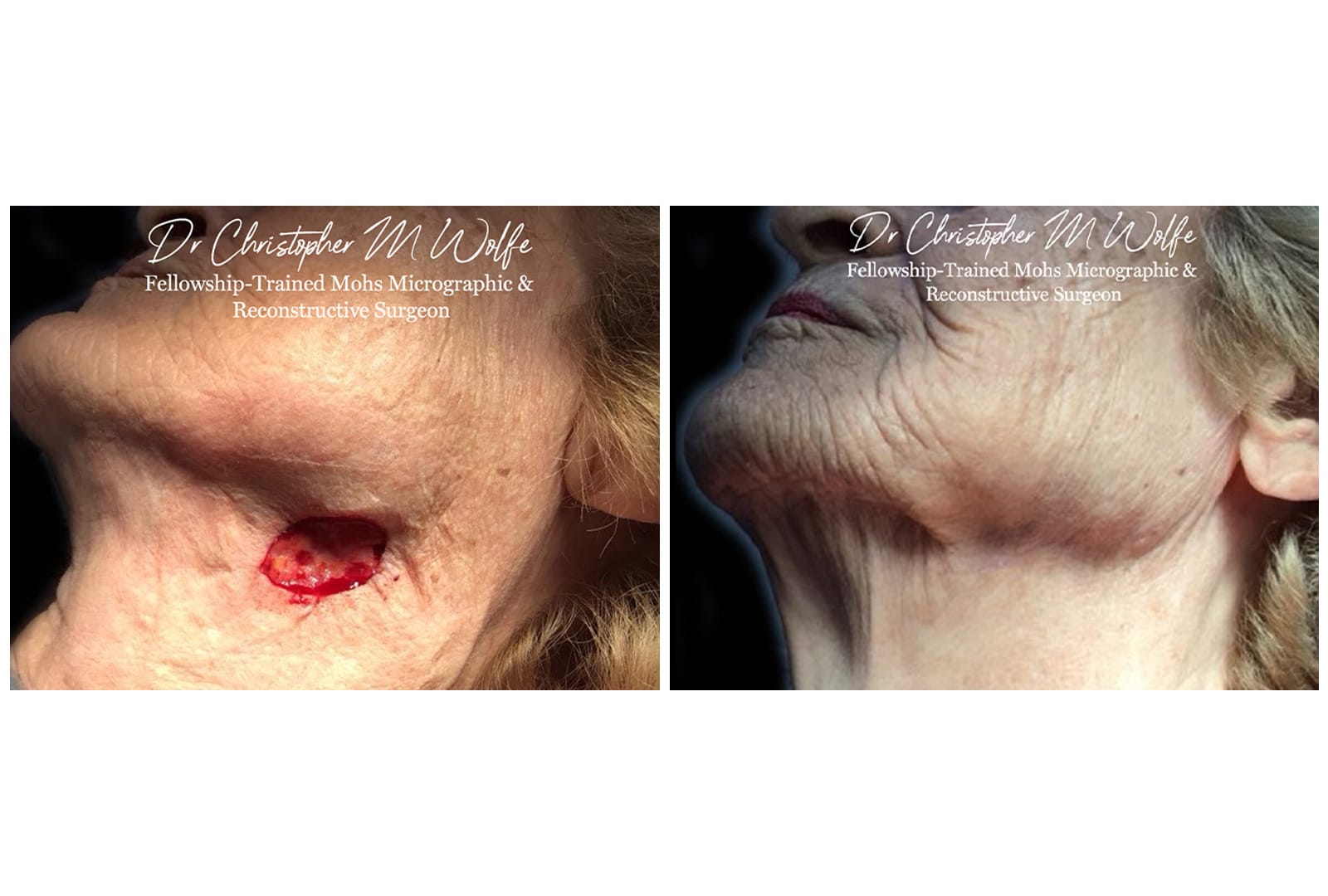
Performed exclusively by Dr. Wolfe, Mohs micrographic surgery is the gold standard for treating many skin cancers. This precise technique removes cancer layer by layer while preserving as much healthy tissue as possible. Each layer is examined under a microscope in real time, ensuring complete removal and minimizing scarring or recurrence.
Schedule Your Consultation
With Your Dermatology Provider
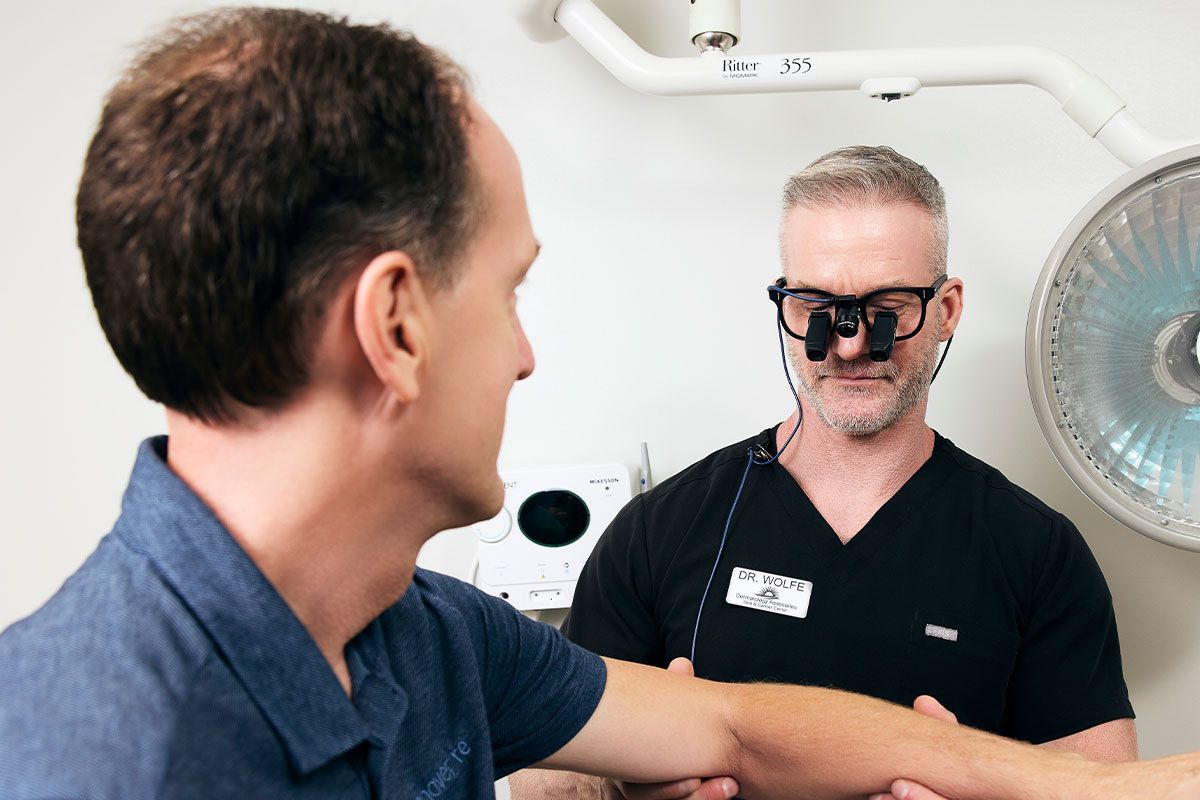
Dermatology Associates Skin & Cancer Center is a trusted home for expert, compassionate skin care in Bay County. Dr. Christopher Wolfe, our Double Board-Certified, Fellowship-Trained Mohs Micrographic & Reconstructive Surgeon, offers unparalleled expertise and has had the highest level of training possible for the removal and reconstruction of skin cancer. With over 50 years of service to the community, our practice offers cutting-edge skin cancer care with a personalized, attentive touch. If you’ve noticed a suspicious spot or are due for a professional skin check, schedule your consultation for treatment or skin cancer surgery in Panama City and Panama City Beach with one of our dermatology providers today.

